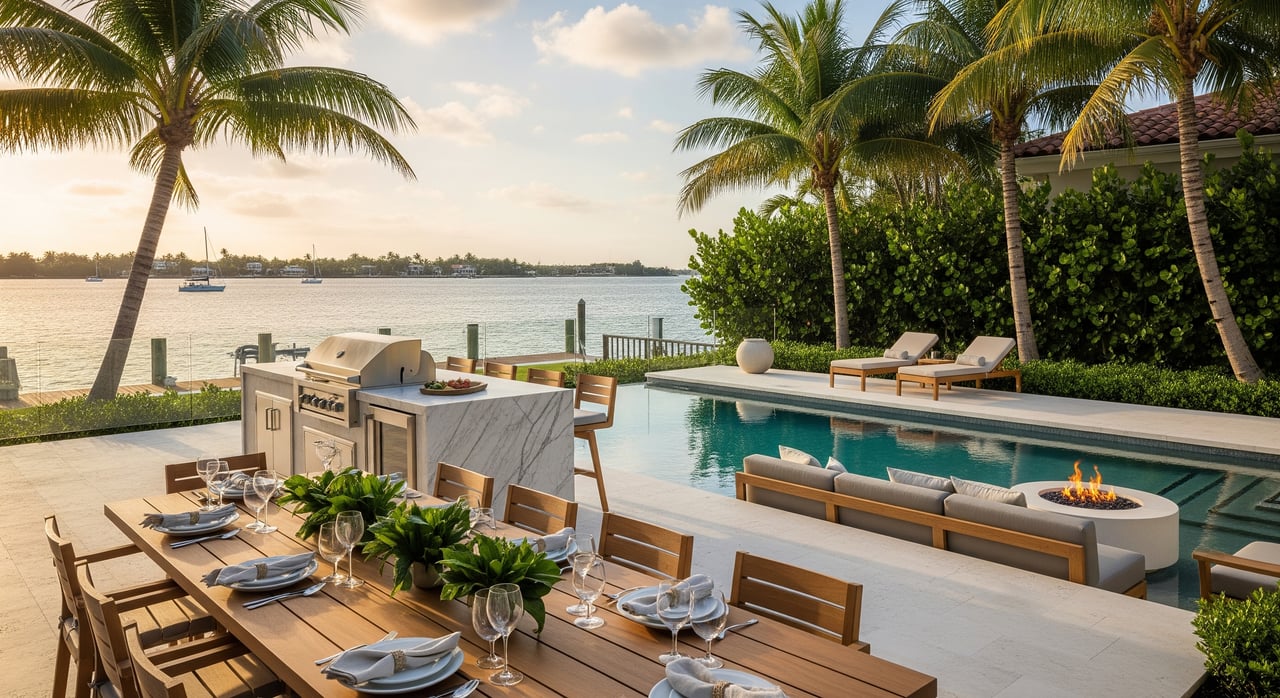
Hosting friends in Coconut Grove feels effortless when your estate is ready for coastal weather, neighborhood flow, and guest comfort. If you split time between homes, winter is your season to shine in Miami. You want every detail handled, from lighting and pool chemistry to valet and post-event cleanup. This guide gives you a concise, coastal-smart checklist backed by local rules and safety guidance, so your gathering runs smoothly and your property stays protected. Let’s dive in.
Why winter is your moment
Winter in Miami is typically dry, comfortable, and ideal for outdoor entertaining. According to the National Weather Service’s Miami climate summaries, humidity drops and temperatures ease from November through April. That said, always monitor forecasts, since tropical systems can occur outside the formal hurricane dates. Keep a backup plan for short-notice relocation indoors or to a tented area, and give vendors clear weather triggers for go or no-go decisions.
Plan around your site
Coastal exposure and equipment care
Bayfront air accelerates corrosion on fixtures and AV equipment. Choose outdoor-rated gear with corrosion-resistant finishes, and confirm outlets are protected by GFCI. For any permanent wiring or significant changes, follow the Florida Building Code and hire a licensed electrician. After events, rinse salt spray from metal surfaces and dry cushions to extend life.
Neighborhood flow and parking
Coconut Grove is charming and established, with narrower streets and active curbside parking. If you expect many guests, plan a valet or shuttle strategy and a clear drop-off zone that does not block roads. Review local rules and coordinate any right-of-way or temporary curb use through the City of Miami’s permits and regulations pages and the Miami-Dade County portal.
Lighting and power that feel effortless
Safe, layered lighting
Use fixtures labeled for wet or damp locations, and protect transformers in weatherproof enclosures. Add layers for safety and mood: pathway, task for bars and buffets, ambient for dining, and accent on trees or architecture. All outdoor receptacles should be GFCI protected. For new circuits or upgrades, follow the Florida Building Code and work with a licensed electrician.
Power for music and catering
Catering equipment, patio heaters, sound systems, and decorative lighting add up in amperage. Avoid daisy-chaining power strips outdoors. For larger loads, plan a dedicated temporary power setup or a professionally installed generator that is grounded and GFCI protected, and follow NFPA’s safety guidance. Keep noise targets in mind and confirm any amplified sound limits with the City of Miami.
Outdoor kitchens and open flame
If you plan to connect permanent gas lines or install new appliances, permits are typically required. Verify contractor licensing through the Florida Department of Business & Professional Regulation and follow the Florida Building Code. Confirm rules for fire pits, tiki torches, or charcoal grills with Miami-Dade Fire Rescue and refer to NFPA guidance for safe clearances and placement. Position any open flame well away from structures, vegetation, and seating.
Pool and water feature readiness
Test sanitizer levels and water chemistry within 24 hours of your event, then run filtration longer when you expect heavy use. Review private pool safety basics using the CDC’s swimming and healthy water guidance and the Florida Department of Health resources. Confirm code-compliant barriers and self-latching gates, and keep rescue equipment visible. Check that pool lights and nearby outlets are GFCI protected, and keep portable heaters and lights away from water edges.
Mosquito control guests appreciate
Even in drier months, standing water invites mosquitoes. Walk your property to empty planters, toys, and saucers, and clear gutters. Share a simple repellent tip with guests and provide EPA-registered options at entry points, then enhance comfort with fans in seating areas. For higher confidence, time a professional yard treatment shortly before the event, and consult the CDC’s mosquito prevention advice along with the Florida Department of Health for local considerations.
Permits, noise, and safety
Review noise rules for evening gatherings and amplified sound with the City of Miami, and give neighbors a friendly heads-up on timing. If you plan tents, stages, or heaters, ask Miami-Dade Fire Rescue about permit thresholds, flame-retardant requirements, and egress spacing. For valet stands, cones, or temporary curb use, coordinate with the Miami-Dade County portal or the City of Miami. If you intend to sell alcohol or charge for drinks, consult the Florida DBPR for licensing rules. Hire licensed caterers and keep proof of insurance and permits on file.
Day-of logistics that protect relationships
Designate a guest drop-off and a separate service lane for caterers to avoid backups. Use a sound technician or a smart limiter to keep music within your target decibel range. Assign one point of contact to direct vendors, track timing, and manage cleanup. Share rideshare details, recommended pickup zones, and quiet hours in your event note to guests.
After the party: reset fast
Remove all trash and recycling within 24 to 48 hours. For higher volumes, schedule a licensed hauler or bulk pickup through the Miami-Dade County site instead of relying on standard curb service. Rinse salt spray from metal, clean and dry cushions, and store decor in dry areas. Walk the lawn and beds to spot compaction, then aerate or top-dress high-traffic patches following seasonal guidance from UF/IFAS resources. Retest pool chemistry, clear skimmers, and run filtration to restore water clarity. Finally, remove any temporary curb items and send a quick thank-you to nearby neighbors.
Coconut Grove outdoor entertaining checklist
- Timing and neighbors: choose dates mindful of quiet hours, notify neighbors in advance, and share parking and rideshare plans.
- Permits and vendors: confirm if tents, amplified sound, valet, or open flame require permits; hire licensed vendors and collect proof of insurance.
- Electrical and lighting: use wet-location fixtures and GFCI outlets; plan layered lighting; have a backup power plan for key zones.
- AV and power: calculate total load for catering, heaters, lighting, and audio; avoid ad-hoc power strips outdoors; use a licensed electrician for temporary panels and generator hookups.
- Outdoor kitchen and grilling: confirm permits for permanent gas lines; follow NFPA clearances; place fire safety gear where staff can reach it.
- Pool and spa: test water within 24 hours, extend filtration runtime, verify barriers and gate latches, keep rescue equipment visible.
- Mosquito control: eliminate standing water, add screening or tent panels if needed, provide repellents and fans, time professional treatments before the event.
- Valet and parking: stage a safe drop-off area, use shuttles if street parking is tight, coordinate any curb use with City or County.
- Safety and fire: confirm tent permits, flame-retardant materials, and egress; place fire extinguishers at cooking zones.
- Waste and reset: schedule hauler or bulk pickup for event waste, clean and store gear, refresh lawn and pool, and follow up with neighbors.
- Documentation: keep permits, vendor contracts, insurance certificates, and an emergency contact list in one binder or shared folder.
When your property runs on proactive checklists, entertaining feels like hospitality, not hard work. If you want a trusted partner to coordinate licensed vendors, manage safety and code details, and deliver true guest-ready standards before you arrive, connect with Luxury Residential Management LLC. Our founder-led team brings hotel-grade care and project oversight, so your Coconut Grove home is always ready to host with confidence.
FAQs
What months are best for outdoor entertaining in Coconut Grove?
- Winter is typically the most comfortable season, with lower humidity and rain. Review local norms using the NWS Miami climate summaries and always monitor short-term forecasts.
Do I need permits for tents or amplified music at a private residence?
- Some temporary structures and amplified sound may require permits or have limits. Check the City of Miami’s guidance and ask Miami-Dade Fire Rescue about tent size thresholds and fire-safety requirements.
How should I prepare my pool before guests swim?
- Test chemistry within 24 hours, increase filtration runtime, and confirm barriers and self-latching gates are working. Review the CDC’s swimming safety tips for private pools.
What is the safest way to power heaters, lighting, and audio outdoors?
- Use outdoor-rated equipment with GFCI protection and avoid daisy-chaining power strips. For larger loads or generators, follow the Florida Building Code and NFPA safety guidance with help from a licensed electrician.
How can I reduce mosquitoes for a garden party near the bay?
- Remove standing water several days prior, add fans in seating zones, provide EPA-registered repellents, and time a professional treatment before the event. Refer to CDC mosquito prevention and the Florida Department of Health for local updates.
If I hire bartenders, do I need an alcohol license?
- Complimentary service at a private event is different from selling alcohol or charging for drinks. If you plan to sell, consult the Florida DBPR for licensing requirements and choose properly insured vendors.