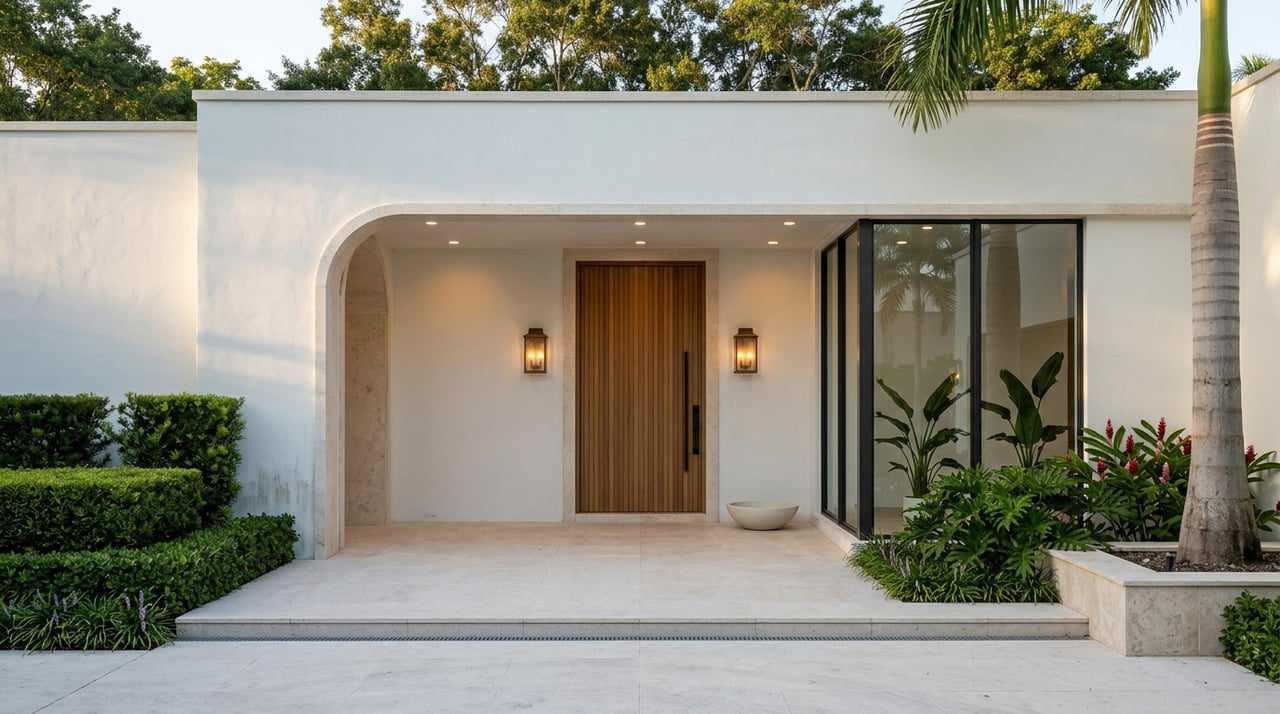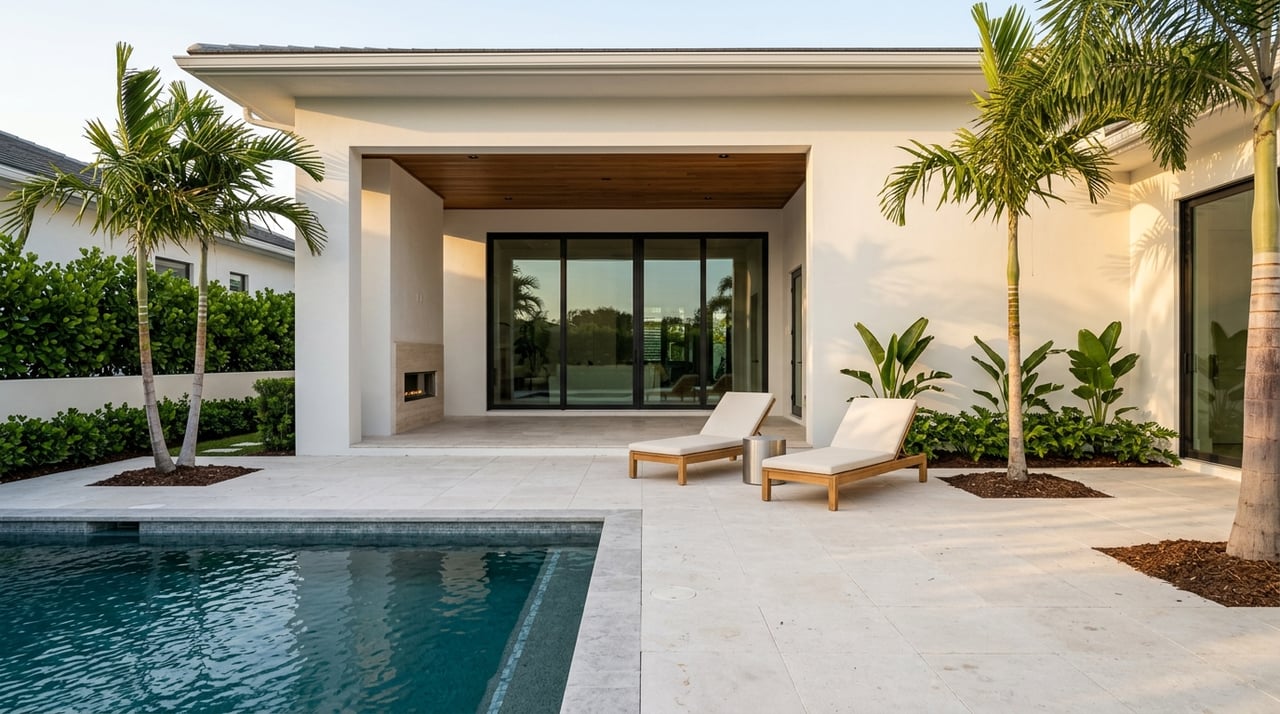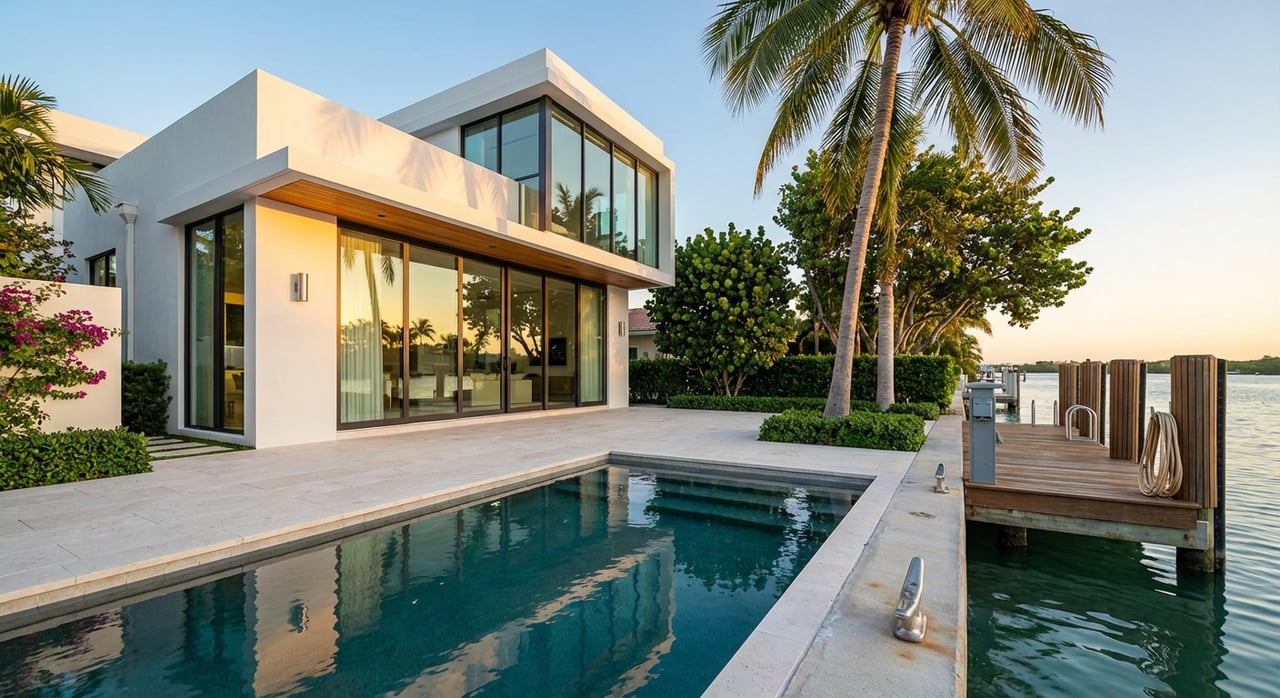
Picture sunrise over Biscayne Bay from your own dock, the skyline warming to gold as the water goes glassy. Life on Hibiscus and Palm Islands feels private and calm, yet you are minutes from South Beach and Downtown Miami. If you are considering a home here, it pays to understand how the islands work behind the scenes. In this guide, you will learn the lifestyle basics, gate and association norms, permits for docks and seawalls, marine maintenance, storm and insurance planning, and a focused buyer checklist. Let’s dive in.
Location and lifestyle snapshot
Hibiscus and Palm are man-made residential islands in Biscayne Bay within the City of Miami Beach, ZIP 33139. Both were created during early 20th-century dredging, with work completed in 1922. You can read a concise history and location overview on the Hibiscus Island page on Wikipedia for context and orientation (Hibiscus Island overview).
You reach the islands via the MacArthur Causeway, then Fountain Street onto Palm and Hibiscus. Streets are quiet and tree lined. Most lots are single-family homes, many with deep-water dockage. Palm Island includes a small public park with tennis and basketball courts. The overall feel is residential, discreet, and security focused rather than resort styled.
Who buys and what you find here
Most buyers choose the islands for privacy, direct bay access, and quick drives to Miami Beach dining and Downtown cultural venues. The property mix skews to single-family waterfront estates, with a handful of converted condominiums. Renovated modern homes and preserved historic-era residences sit side by side. Prices vary widely by lot size, water frontage, and improvements, and the islands commonly trade in the luxury tier. Ask your agent for current MLS comps before anchoring on a number.
Community operations and gate access
The islands coordinate many resident services through a local association that connects neighbors with island news and operations. For updates, contacts, and neighborhood coordination, visit the Palm, Hibiscus, and Star Islands community resource site (islands association hub).
Entry is controlled. Expect guest and vendor protocols, parking rules, and clear procedures for larger deliveries or events. New owners should get familiar with gatehouse processes early and plan for visitor passes and vendor lists.
If your property is within an association, Florida law gives you the right to review official records, including financials, insurance policies, meeting minutes, and special assessment history. During due diligence, request these documents promptly and use the statutory timelines for delivery to keep escrow on track (Florida association records statute).
Waterfront projects and permits explained
Waterfront work involves three layers: local city or county approvals, state reviews by the Florida Department of Environmental Protection, and federal authorization when work affects navigable waters.
- State coastal rules outline application requirements and limits within coastal control lines, including when you will need surveys, engineering, or environmental reviews (FDEP coastal construction rules).
- Federal review by the U.S. Army Corps of Engineers may be required for docks, seawalls, and shoreline stabilization. Many routine activities use general or regional permits that set clear size and impact limits (USACE SAJ-82 regional permit).
Miami-Dade’s seawall update you should know
Miami-Dade County adopted a seawall and bulkhead permitting reform in 2025 that speeds reviews for many homeowners and expands administrative approvals for certain repairs. The update also allows some biodiversity enhancements through administrative paths. If you plan seawall work, build timelines and scope around this change, since it can shorten what used to be lengthy review cycles (county seawall permit reform summary).
What to expect in a permit set
Even for smaller projects, plan to gather as-built surveys, proof of ownership, dock or seawall drawings, and, when needed, seagrass or benthic surveys. Minor repairs or in-kind replacements that meet specific limits can qualify for streamlined local or state pathways. Larger or more complex projects often require state Environmental Resource Permits and USACE authorization. For planning, allow for several months on combined reviews unless your scope clearly fits an expedited category.
Emergency work after storms
If a storm damages your dock or seawall, document conditions thoroughly and coordinate with permitting agencies before you rebuild. Some emergency repairs may require after-the-fact permits. Avoid unpermitted work since inspectors can issue stop-work notices and require remediation. The recent county reforms aim to reduce backlogs but do not replace required environmental reviews.
Routine marine maintenance calendar
Biscayne Bay is a saltwater environment that rewards proactive care. Build a simple calendar so your dock and lift are safe and ready when you arrive.
- Inspect your dock structure each year for piling wear, fasteners, cleats, bumpers, and deck boards.
- Service boat lifts on the manufacturer schedule. Focus on hydraulics, winches, and motors.
- Schedule underwater cleaning to control marine growth on pilings and lift gear.
- Inspect seawalls yearly and after storms. Check weep holes, the cap, and signs of toe-scour.
- Have a licensed marine electrician test GFCI protection, shore-power connections, bonding, and corrosion controls.
- Use marine-grade hardware and sacrificial anodes where appropriate, and replace on a regular cycle.
For a practical owner walkthrough, see a summary of common dock maintenance tasks from marine contractors (dock care checklist reference).
Flood, storms, and insurance planning
Island living brings elevated storm and flood considerations, which you can manage with good documentation and the right coverage plan.
- Evacuation zones. Miami-Dade assigns storm surge planning zones A through E and uses them for evacuation orders. Coastal islands fall within surge-vulnerable zones, so expect early evacuation guidance for some storms (county emergency planning hub).
- FEMA flood maps and required coverage. Check each property’s FEMA Flood Insurance Rate Map and any Letters of Map Change. Lenders commonly require flood insurance for waterfront mortgages, and accurate Elevation Certificates help ensure proper pricing (FEMA Flood Map Service Center).
- NFIP pricing today. FEMA’s Risk Rating 2.0 bases flood premiums on individual property features such as elevation and distance to water rather than only flood zone categories. Separate changes in Florida law phase in flood insurance for Citizens policyholders based on replacement cost thresholds, which can affect owners insured by Citizens (Risk Rating 2.0 overview).
- Practical prep steps. Keep your Elevation Certificate handy, review permit history for docks and seawalls, maintain impact protection or shutters, and service generators before storm season. After a storm, claims often involve multiple policies, so work with insurance pros who know Florida coastal claims.
Buyer and new-owner checklist
Use this list to move from dream to disciplined due diligence. It covers the items that most affect value, safety, and day-to-day ease on Hibiscus and Palm Islands.
- Title and tax basics
- Confirm parcel ID, waterfront lines, and any recorded easements or rights-of-way.
- Seawall and dock file
- Request permits, approvals, as-built drawings, and contractor warranties. Ask if any work was done without permits. If permits are recent or pending, clarify who will complete work after closing and under what terms.
- Physical inspections
- Schedule a structural seawall inspection and a marine contractor review for the dock and boat lift. Add a marine electrical inspection for shore power and bonding.
- Flood documentation
- Pull the current FEMA flood zone and FIRMs, locate any LOMA or LOMR records, and get current flood quotes for both NFIP and private options. Note if the seller uses Citizens and whether state mandates might change your premium path.
- Association documents
- If applicable, request CC&Rs, bylaws, recent meeting minutes, budgets, reserve studies, insurance certificates, and any special assessment notices. Florida law provides access to these records and sets delivery timelines (Florida association records statute).
- Zoning and rental rules
- If you plan to rent, verify short-term and guest rental rules with the City of Miami Beach. Rules are restrictive and vary by zoning, and enforcement changes.
- Boat access specifics
- Ask for bathymetry or depth soundings near the dock, any submerged-lands lease or easement, and limits on dock extension. These details drive vessel size and feasibility for future dock changes. For federal context on routine activities, see the USACE regional permit framework (USACE SAJ-82 regional permit).
- Permitting plan and timelines
- If you anticipate seawall or dock work, consult local, state, and federal pathways early. Miami-Dade’s 2025 seawall reform can shorten reviews for qualifying projects (county seawall permit reform summary). For state coastal rules, review FDEP guidance (FDEP coastal construction rules).
Make island life effortless
You can enjoy sunrise swims, smooth boat days, and quiet evenings, while someone else handles the details that protect your asset. From weekly photo-inspections and vendor oversight to hurricane preparedness and project supervision, a seasoned estate manager keeps your home guest ready and your dock and systems on schedule. If you want that standard of care, connect with Luxury Residential Management LLC to set up a private property consultation.
FAQs
Where are Hibiscus and Palm Islands, and how do you access them?
- Both are man-made islands in Biscayne Bay within the City of Miami Beach, and you reach them from the MacArthur Causeway via Fountain Street.
What permits do you need to replace a seawall on the islands?
- Expect a mix of local approvals, state FDEP coastal rules, and possible USACE review, with a 2025 Miami-Dade reform that speeds many seawall repairs for qualifying projects.
Do you need flood insurance for a home on Hibiscus or Palm?
- Lenders commonly require it for waterfront mortgages; check your FEMA flood zone and Elevation Certificate, and price coverage under FEMA’s Risk Rating 2.0.
How is visitor and vendor access handled on the islands?
- Entry is controlled with gatehouse protocols; plan for guest passes, vendor lists, and coordination for large deliveries or events through the islands association.
What dock maintenance should you budget for each year?
- Plan for annual dock and seawall inspections, lift service, underwater cleaning, corrosion control, and a marine electrical safety check, plus extra checks after storms.