Salt, tides, and storms are part of life on the Venetian Islands. If you own here, you know the view is priceless, and you also know the Bay can be hard on structures and finishes. The good news is that a focused upkeep plan protects your home’s value and gives buyers confidence when it is time to sell.
In this guide, you’ll learn the preventative tasks that matter most on the Venetian Islands, how often to inspect, what to document, and which upgrades pay off in buyer perception. Let’s dive in.
Venetian Islands factors to consider
Biscayne Bay is a shallow, tidal environment. Properties experience nuisance high-tide flooding in some seasons, along with occasional storm surge. This means your maintenance plan should anticipate salt exposure, water movement, and periodic flooding.
The shoreline is environmentally sensitive. Work at or near the waterline can affect seagrass and mangroves and often requires permits from state and local agencies. Your island may fall under City of Miami or City of Miami Beach for building permits, with Miami-Dade County and state agencies involved for coastal work.
Flood risk and insurance are part of the equation. FEMA flood maps, Elevation Certificates, and documented mitigation steps can influence coverage and premiums. Keep your records up to date.
Seawall care that preserves value
Why your seawall matters
Buyers look at the seawall as a signal of overall waterfront stability. A strong, well-kept wall protects your yard, dock, and home from erosion. A failing wall can cause settlement, washouts, and safety concerns that reduce marketability.
What to inspect regularly
- Look for cracks, spalling, leaning panels, or displaced caps.
- Check for signs of scour or undercutting at the toe of the wall.
- Inspect anchors and tie-backs for corrosion and movement.
- Confirm yard grading does not concentrate runoff toward the wall.
Schedule a professional seawall inspection every year, and immediately after major storms or unusually high tides. Do quick visual checks monthly.
Smart upgrades that last
When repairing or replacing components, use corrosion-resistant hardware, such as appropriate marine-grade stainless steel. Ask your contractor about engineered toe protection and scour control. Keep downspouts and irrigation heads directed away from the seawall base to prevent washouts.
Who to hire
For structural concerns or major repairs, bring in a coastal or structural engineer and a licensed marine contractor with local permitting experience. For routine issues, a seasoned marine contractor can identify early warning signs before damage escalates.
Documentation to keep
- Professional inspection reports with dates and photos.
- Repair invoices, warranties, and as-built drawings.
- Surveys that show seawall elevation and alignment.
- Copies of permits for prior repairs or replacements.
Docks, lifts, and mooring readiness
What buyers expect
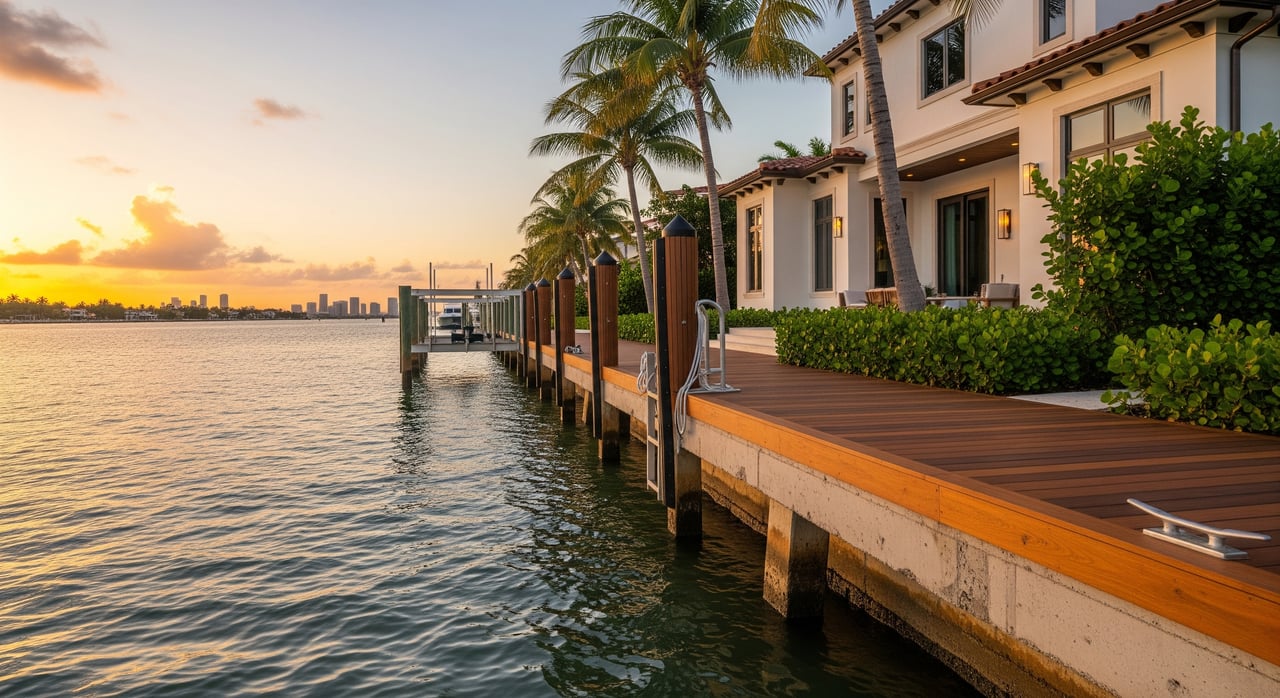
A dock should look clean and feel solid underfoot. Boat lifts should raise and lower smoothly. Electrical systems need to be code-compliant and safe. A well-maintained dock area signals pride of ownership and helps buyers picture their own use.
Seasonal dock checklist
- Replace decayed or loose decking; consider marine-grade treated lumber or composite.
- Inspect and swap out corroded fasteners, brackets, and hardware.
- Examine timber piles for marine borer damage; confirm all piles are plumb.
- Service lifts per manufacturer guidance. Inspect cables, motors, pulleys, and limit switches.
Electrical safety matters
Shore power must meet the National Electrical Code sections for docks and marinas. Have a licensed electrician check GFCIs, bonding, and connections annually and after major weather events. Keep wiring off the deck where practical and protected from spray.
Dock records that add confidence
- Lift service logs and manufacturer maintenance records.
- Electrical inspection reports and any correction notices.
- Permits and approvals for dock or lift work.
- Dated photos that show condition before and after service.
Landscape and sightline strategy
Preserve views responsibly
Water views carry a premium. Keep sightlines clear with selective trimming rather than blanket removal. If mangroves are present, confirm permitting requirements before any trimming.
Plant for salt and wind
Choose salt-tolerant native or well-adapted species to reduce irrigation and fertilizer needs. Avoid planting large-rooted trees at the seawall toe where roots can destabilize the structure. Use plants that handle wind and salt spray to keep maintenance predictable.
Manage turf and runoff
Limit fertilizer to reduce nutrient runoff into the Bay. Direct roof and patio runoff into landscaped areas or permeable surfaces where allowed, not toward the seawall base. Healthy water quality and clear nearshore areas improve curb appeal for buyers.
Stabilization options
Where appropriate and permitted, living shoreline elements, such as marsh plantings or coir logs, can complement hard structures and improve habitat value. These methods require site-specific engineering and permits.
Exterior finishes that resist salt
Materials that hold up
Salt air accelerates corrosion and finish failure. Use marine-grade metals, stainless steel hardware selected for coastal exposure, and coatings designed for humid, high-salinity conditions. For wood, select rot-resistant species or properly treated products.
Routine care calendar
- Rinse exposed metal and painted surfaces regularly, often monthly near the water.
- Recoat exterior finishes on a predictable cycle as wear appears.
- Inspect caulking and sealants at penetrations annually.
- Keep roof overhangs, fascia, and flashing clean to prevent salt buildup.
Keep invoices, product data sheets, and warranties. Buyers notice fresh paint, new railings, and upgraded fixtures.
Drainage and flood resilience
Direct water the right way
Maintain gutters and downspouts so water exits away from the house and does not scour the seawall. Where allowed, consider bioswales or permeable surfaces to slow runoff.
Pumps and backflow protection
Test sump pumps and back-up systems ahead of peak storm seasons and after major weather. Maintain backflow preventers and check valves to reduce the risk of sewer backups. Keep a battery backup or generator plan if your property is prone to nuisance flooding.
Elevation and vents
Confirm yard grading directs water away from structures. Keep flood vents clear and functional where required. If you make permanent grading or fill changes, document the work and maintain permits.
Documentation and insurance
Maintain your Elevation Certificate if one exists, flood insurance details, and a log of mitigation improvements. Insurers and buyers look favorably on clear, organized records of risk reduction.
Inspection rhythm and records
Annual, seasonal, and post-storm cadence
- Annual: professional seawall review, dock and lift service, shore power electrical inspection, roof and exterior check.
- Seasonal or quarterly: homeowner walkaround to spot corrosion, loose decking, clogged gutters, and to test pumps.
- After storms or unusual high tides: immediate visual assessment, then call a pro if you see movement, cracking, or electrical issues.
Your transaction-ready binder
- FEMA Elevation Certificate and prior versions.
- Permits, as-builts, and surveys showing seawall location and elevation.
- Seawall, dock, and lift inspections, plus dated photos.
- Repair invoices, warranties, and contractor credentials.
- Landscape plans and any approvals for mangrove trimming or shoreline work.
- Flood insurance policy details and claims history.
How Luxury Residential Management helps
If you prefer a hands-off approach, a disciplined operations partner can keep your island home market-ready year-round. Luxury Residential Management LLC delivers weekly photo inspections with checklists, vendor and contractor oversight, hurricane preparedness, and 24/7 emergency response. Our founder-led team documents every service, keeps your records organized, and coordinates specialists so issues are prevented, not discovered at listing time.
Ready to protect value and simplify ownership on the Venetian Islands? Connect with the trusted local team at Luxury Residential Management LLC for a private property consultation.
FAQs
How often should a Venetian Islands seawall be inspected?
- Schedule a professional inspection every year and after major storms, with quick homeowner visual checks monthly.
Which documents help most when selling a waterfront home?
- Elevation Certificates, seawall and dock inspection reports, permits and as-builts, service logs, warranties, and dated before-and-after photos.
Do I need permits to trim mangroves or replace a dock in Miami-Dade?
- Often yes; work near or seaward of the waterline and activities affecting mangroves or seagrass generally require state and local permits.
What exterior materials hold up best near Biscayne Bay?
- Marine-grade metals, stainless steel hardware chosen for coastal conditions, high-quality exterior coatings, and rot-resistant or properly treated woods.
Which flood resilience steps can improve buyer confidence?
- Functional drainage, documented sump and backflow maintenance, clear flood vents, appropriate grading, and organized records of mitigation measures.
Who should I call after a storm for documented inspections?
- Start with a licensed marine contractor for the seawall and dock, a coastal or structural engineer for structural concerns, and a licensed electrician for shore power checks.