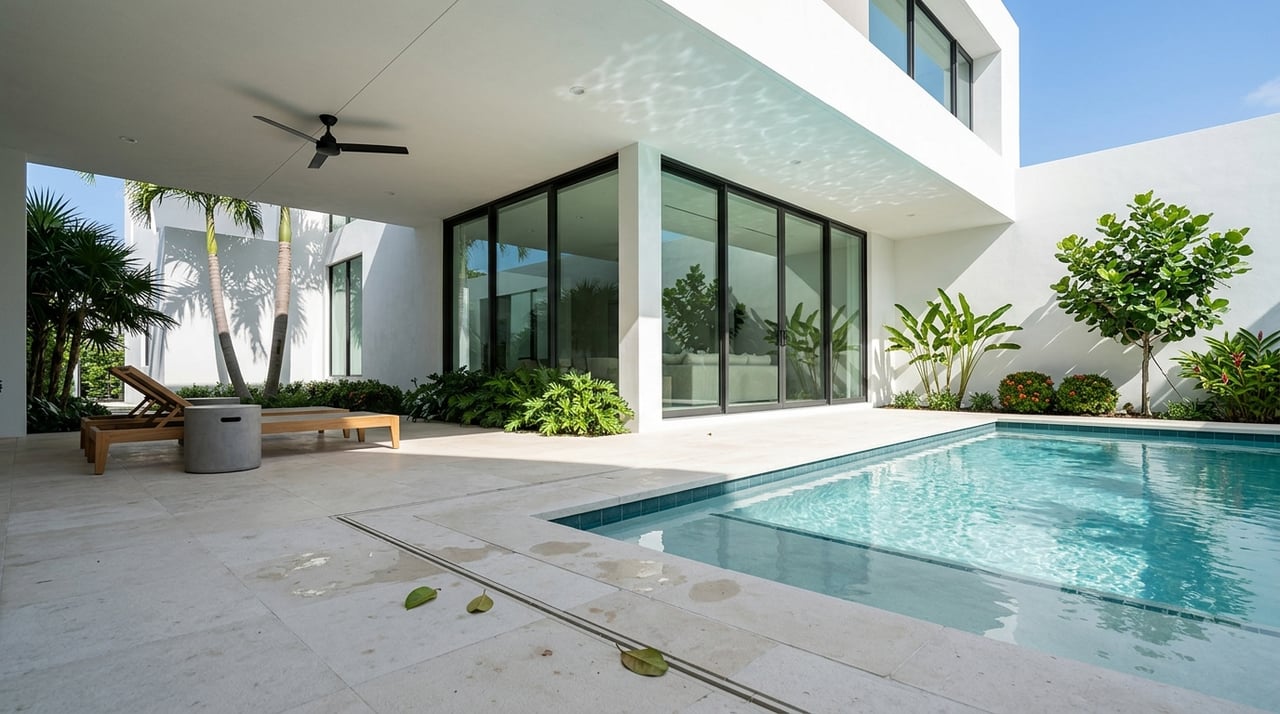
Owning a part-time home on the Venetian Islands can feel effortless when you arrive and stressful when you are away. Between coastal humidity, salt air, flood risk, and hurricane season, a waterfront property in Biscayne Bay needs more than occasional check-ins. A clear year-round care plan helps you protect your home, reduce surprises, and return to a space that feels clean, dry, and ready to enjoy. Let’s dive in.
Why Venetian Islands Homes Need Ongoing Care
The Venetian Islands sit in Biscayne Bay between Miami and Miami Beach, with the Venetian Islands Homeowners Association representing Rivo Alto, Di Lido, and San Marino islands and part of the Venetian Causeway, according to the City of Miami Beach neighborhood associations list. That waterfront setting is a major part of the appeal, but it also creates conditions that call for steady oversight.
Miami Beach reports that its geography and elevation make it vulnerable to storms and sea level rise. The city also notes that 93% of buildings are in the Special Flood Hazard Area under current FEMA maps, which is why flood insurance is required for federally backed mortgages and recommended more broadly, as outlined in the city’s local flood hazard and flood insurance guidance.
For part-time owners, the biggest mistake is treating the home as if it can simply sit closed up between visits. Florida’s warm, humid climate can lead to mildew, pests, rust, and corrosion in unoccupied homes, as noted by UF/IFAS guidance for seasonal and temporary homes. In a waterfront setting like the Venetian Islands, those issues can build quietly even when the exterior looks fine.
Build a Year-Round Care Calendar
A well-managed part-time home should follow a repeatable schedule, not a last-minute scramble before your next flight. The goal is simple: keep the property dry, monitored, maintained, and ready for short-notice use.
For Venetian Islands homes, that usually means layering remote monitoring, regular on-site inspections, vendor coordination, and seasonal storm preparation. Each part supports the others.
Weekly or Biweekly Check-Ins
If you are away for extended periods, remote and on-site checks should happen regularly. UF/IFAS notes that vacant homes are more susceptible to mildew, pests, storm damage, and corrosion, which is why routine oversight matters.
A practical weekly or biweekly cadence often includes:
- Photo-based interior and exterior inspections
- HVAC status checks
- Indoor humidity monitoring
- Water leak alert checks
- Security and camera review
- Visual review of windows, doors, and visible exterior areas
This is where a documented inspection process adds real value. Weekly photo reports can help you spot small changes before they become larger repairs.
Monthly Maintenance Oversight
Monthly care should go beyond a quick glance. According to UF/IFAS, owners should arrange for someone to routinely check the home, coordinate landscaping, and keep the property clean and dry rather than simply shut tight.
A monthly management cadence may include:
- Housekeeping coordination
- Pest control service
- Landscape care and trimming
- Interior walk-throughs for moisture or mildew signs
- Exterior walk-throughs for wear, corrosion, or damage
- Lighting checks to maintain visibility and a lived-in appearance
If your property is part of a community or association, it is also smart to confirm which tasks are covered by the HOA or building management and which remain your responsibility. UF/IFAS specifically notes that some communities handle portions of exterior maintenance, but owners should verify coverage.
Monitor the Systems That Matter Most
A part-time home can look perfect from the curb and still have hidden issues developing inside. That is why system monitoring matters just as much as visual presentation.
HVAC and Humidity Control
In South Florida, moisture control is essential. CDC advises keeping indoor humidity at no more than 50% when possible, and the EPA notes that wet areas should be dried within 24 to 48 hours to help prevent mold growth.
UF/IFAS also recommends leaving the AC set no higher than 84°F during summer vacancy periods to keep humidity from drifting into a mold-prone range. For many part-time owners, this is one of the most important settings in the entire home.
Leak Detection and Security
Water leaks, appliance failures, and power interruptions do not wait for your next visit. Smart-home tools that track leaks, indoor climate, and security alerts can provide useful visibility while you are away. UF/IFAS notes that some home security systems also allow remote visual and audio access, which can be especially helpful when no one is on site.
Pool and Water Features
If your Venetian Islands property includes a pool, it needs regular professional service even when the home is vacant. UF/IFAS recommends pool service every 7 to 10 days to maintain pH and chemical balance, and warns against draining the pool because that can lead to cracking or pressure-related problems.
Give Waterfront Components Extra Attention
Not every luxury home faces the same exposure as a bayfront property. On the Venetian Islands, salt spray and humidity create a more aggressive maintenance environment.
FEMA explains in its coastal corrosion guidance that salt spray and onshore winds accelerate corrosion of metal components. That matters for features often found in waterfront homes.
Exterior Areas to Check Routinely
A Venetian Islands inspection plan should pay close attention to:
- Dock hardware and lift equipment
- Railings and metal gates
- Exterior lighting
- Outdoor furniture frames
- Exposed electrical or mechanical components
- Roof flashing, gutters, and downspouts
- Weatherstripping around windows and doors
UF/IFAS specifically flags windows, doors, and related openings for inspection, and FEMA notes that flashing helps prevent moisture intrusion that can lead to leaks, corrosion, and mold. On a waterfront property, these details deserve regular review.
Prepare Before Hurricane Season
Atlantic hurricane season runs from June 1 through November 30, with peak activity in late summer and early fall, according to NOAA’s hurricane research division. For a part-time owner, that means preparation should happen well before a storm appears on the map.
A smart pre-season plan should include both physical preparation and paperwork readiness.
Pre-Season Checklist
Before the main storm season, UF/IFAS recommends:
- Annual central AC service
- Humidistat calibration
- Insurance review
- Home inventory updates
- Shutter planning or readiness review
- Identifying a trusted local person to check the property
Flood coverage should also be handled early. Ready.gov’s flood toolkit notes that flood insurance can take 30 days to take effect, so this is not something to leave until a storm is approaching.
Because flood zones can vary by address, owners should confirm their property’s designation using the Miami-Dade flood zone map tool. Miami Beach’s flood guidance also explains that coastal zones can include AE and VE areas, including areas with storm-induced waves higher than 3 feet.
Know Who Handles What
One of the most common issues with part-time ownership is confusion about responsibility. Clear roles help prevent missed tasks and duplicate work.
Owner Responsibilities
As the owner, your role usually includes:
- Maintaining active insurance coverage
- Confirming flood-zone status and policy needs
- Approving budgets and vendor work
- Keeping a current home inventory with digital photos and serial numbers
- Clarifying what you want done before each arrival
UF/IFAS recommends keeping that inventory stored outside the home, which can help with insurance readiness and faster documentation after a loss.
Vendor or Estate Manager Responsibilities
A trusted local manager or vendor team can handle the repeatable operational work, including:
- Weekly photo inspections
- Housekeeping and cleaning coordination
- Pest and landscape scheduling
- Pool service oversight
- HVAC and repair vendor coordination
- Storm preparation support
- Post-storm visual assessments
- Pre-arrival setup and turn-key re-entry
For owners who value a single point of accountability, this kind of structure can reduce the operational burden significantly.
HOA or Building Management Responsibilities
Associations or property management may cover some exterior items, shared elements, or common areas. Still, coverage varies by property. That is why monthly review of what is included, and what is not, is so important for part-time owners.
Create a Smooth Pre-Arrival Routine
The best part-time home experiences begin before you land. A strong pre-arrival process should restore the property to a clean, ventilated, guest-ready condition.
Pre-Arrival Essentials
Before you arrive, it helps to have someone:
- Turn on and verify HVAC performance
- Confirm cameras and leak alerts are functioning
- Check lighting timers
- Inspect appliances
- Restock basic household items if that service is part of your plan
- Refresh linens and key living spaces
- Restage outdoor furniture
- Schedule final housekeeping before arrival
These steps align with UF/IFAS guidance for preparing a home after an extended vacancy. The goal is not just access. The goal is comfort from the moment you walk in.
Inspect Carefully After Storms or Long Vacancies
After a storm or extended vacancy, do not assume the house is ready simply because there is no obvious exterior damage. Hidden moisture, mold, or electrical issues can still be present.
Ready.gov recommends having a professional check for loose wires, mold, and hidden damage before re-entering after a flood event. That same cautious approach makes sense after long periods away, especially in a humid coastal environment.
A post-storm or post-vacancy check should focus on safety first, then livability. Once those basics are confirmed, deeper vendor follow-up can address any needed repairs or maintenance.
Consistent oversight is what protects both your experience and your investment. For part-time Venetian Islands owners, the most effective approach is a structured calendar with weekly visibility, monthly coordination, seasonal storm planning, and thoughtful pre-arrival preparation. If you want discreet, founder-led support that keeps your home dry, monitored, and guest-ready year-round, Luxury Residential Management LLC can help you create a private care plan tailored to your property.
FAQs
How often should a part-time Venetian Islands home be checked?
- A weekly or biweekly inspection schedule is a practical baseline for a part-time Venetian Islands home, especially because UF/IFAS notes that vacant Florida homes are more vulnerable to mildew, pests, storm damage, and corrosion.
What should be monitored remotely in a Venetian Islands house?
- The most important remote checks for a Venetian Islands home include HVAC status, indoor humidity, water-leak alerts, and security or camera alerts.
What should part-time owners do before hurricane season in Miami Beach?
- Before hurricane season, part-time owners should service the AC, review insurance, update the home inventory, check shutter readiness, and confirm a trusted local contact can inspect the property if needed.
Why do waterfront homes on the Venetian Islands need extra maintenance?
- Waterfront Venetian Islands homes need extra maintenance because salt spray and coastal humidity can speed up corrosion on metal hardware, railings, gates, dock equipment, and other exposed components.
How can a part-time owner verify flood-zone information for a Venetian Islands property?
- A part-time owner can verify flood-zone information for a Venetian Islands address through Miami-Dade County’s flood-zone map tool, since flood-zone designation should always be confirmed property by property.