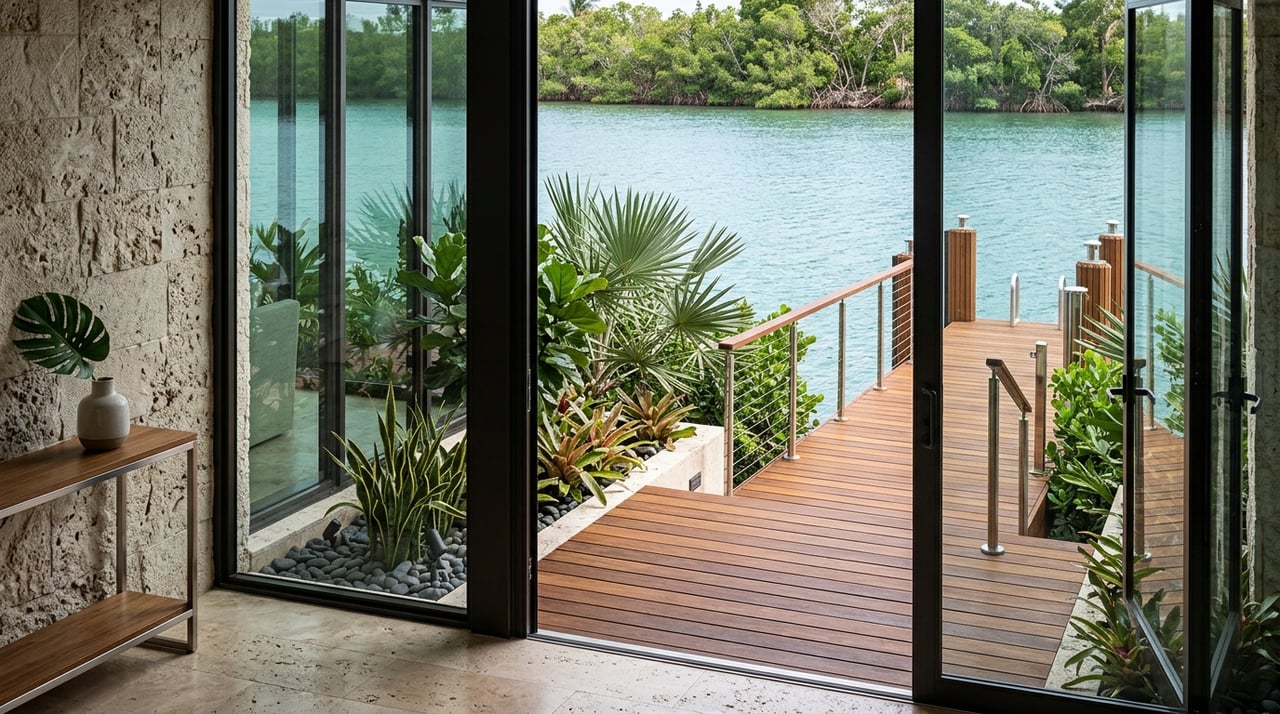
A smooth Sunset Islands arrival rarely happens by accident. When your yacht, dock, home, and ground transportation all need to work in sync, even a simple arrival can involve permits, vendor timing, house prep, and local logistics behind the scenes. If you want waterfront living to feel effortless, it helps to understand what needs to be coordinated in advance. Let’s dive in.
Why Sunset Islands Requires Planning
Sunset Islands sits within Miami Beach city limits, with separate neighborhood associations for Sunset Islands I and II and Sunset Islands III and IV. That means your property experience is shaped by Miami Beach rules and services, not just by the waterfront setting alone.
Biscayne Bay adds another layer. Miami Beach describes the bay as 428 square miles and notes that it surrounds and separates Miami Beach from the mainland. For owners, that creates the appeal of island waterfront living, but it also means your dock, vessel activity, and home operations happen in an environmentally sensitive and closely watched setting.
The Real Goal: One Seamless Arrival
For most owners, the goal is not simply getting a yacht to the dock. The real goal is making your arrival feel invisible from start to finish, with the vessel accommodated, the home prepared, and every detail ready when you step inside.
That usually means coordinating three windows at once:
- Dock readiness for access, marine equipment, and any recent waterfront work
- Home readiness for cleaning, systems checks, provisioning, and amenity setup
- Transportation readiness for guests, crew, drivers, and service providers
When those windows are not aligned, small delays can stack up quickly. A dock issue can affect vessel timing, a permit delay can affect repair work, and a missed housekeeping or provisioning window can change the feel of the entire arrival.
Dock Work Often Involves More Than One Approval
One of the biggest misconceptions in waterfront ownership is assuming one approval covers every step. In Miami Beach, the city handles its own permitting, but marine-related work can still trigger separate county requirements.
Miami-Dade County says a Class I Coastal Construction Permit is required for most work in, on, over, or upon tidal waters and coastal wetlands. That can include dock and seawall replacement, boatlifts, davits, and mooring or fender pilings.
The county also says permit processing typically takes two to four weeks, depending on how complete the application is. For you, that means even routine-looking dock improvements need lead time if you want them finished before a scheduled arrival.
Miami Beach adds its own procedural layer. The city’s building permit guide says applicants may need HOA approval letters and other pre-approvals before submission, and it directs applicants to its Civic Access portal. On Sunset Islands, where timing and discretion matter, that can make early planning especially important.
How Infrastructure Projects Can Affect Timing
Waterfront ownership also means tracking public works that may affect access or scheduling. Miami Beach says it is upgrading water and sewer infrastructure in Sunset Islands II and III, with work beginning in September 2025 and expected to finish by May 2026.
The city’s broader resilience planning also names Sunset Islands III and IV among its stormwater projects. These projects do not mean daily disruption in every case, but they are a practical reminder that island living includes maintenance cycles beyond your property line.
If you are planning arrivals, dock servicing, or vendor-heavy work during this period, a more deliberate schedule can help reduce surprises. A well-managed property calendar should account for both private vendors and public improvement activity.
Compliance Matters on the Water
A polished waterfront lifestyle still operates within a regulated environment. Miami Beach Police says its Marine Patrol actively monitors local waterways and responds to complaints, which reinforces the need for orderly, compliant vessel and dock activity.
Florida also requires boater education compliance for anyone born on or after January 1, 1988 who operates a motorboat of 10 horsepower or more. If family members, guests, or staff will be operating a qualifying vessel, this is not the kind of detail to leave until the last minute.
Environmental practices matter too. Florida’s Clean Boater Program encourages proper trash disposal, bilge socks, fueling collars, pumpout use, recycling, and the use of safer cleaning products. Miami-Dade’s marine-facility best practices also emphasize careful handling of hazardous materials, solid waste, sewage, gray water, and the protection of seagrasses, mangroves, and manatees.
Home Preparation Should Match the Dock Timeline
If your yacht arrives before the house is ready, the experience feels fragmented. That is why home preparation should be scheduled to match dock timing rather than treated as a separate task list.
For a Sunset Islands property, that often includes:
- Weekly condition checks with documented updates
- Housekeeping coordination before arrival
- Pre-arrival provisioning for kitchen, bar, and essentials
- Vehicle readiness and amenity setup
- Vendor access management for last-minute service items
- Final walk-throughs to confirm guest-ready presentation
This is especially important for absentee owners and seasonal residents. If you are arriving after time away, you need confidence that systems, finishes, and high-touch spaces have been checked before you get there.
Ground Transport Still Plays a Role
Even on a waterfront estate, sea-to-shore coordination does not end at the dock. Guests, crew, household staff, and service vendors still need practical ways to move between the property and the rest of Miami Beach.
Miami Beach’s free water taxi offers a useful example of local sea-to-shore coordination. The city says the route connects Maurice Gibb Memorial Park on the Miami Beach side with Venetian Marina and Yacht Club on the Miami side, operates Monday through Friday, and takes roughly 20 minutes.
The city also notes that this route connects with the South Beach Trolley, Freebee, Miami-Dade Transit, and parking options including the Sunset Harbour Municipal Parking Garage. In parallel, Miami Beach’s free trolley runs seven days a week for 15 hours a day, with an average frequency of about 20 minutes.
For owners, these public options are less about replacing private transportation and more about expanding flexibility. They can support crew movement, provisioning runs, guest transfers, and backup planning when every movement does not need a dedicated private vehicle.
A Practical Arrival-Day Checklist
When you want your return to feel effortless, coordination should start before the yacht is in motion. A clear checklist helps keep the process calm and controlled.
Before Docking Day
- Confirm dock conditions and waterfront access
- Review any active or pending permit-related work
- Check whether HOA or pre-approvals affect current vendors
- Verify house systems, utilities, and readiness status
- Schedule housekeeping, provisioning, and amenity setup
- Confirm vehicle placement and driver timing if needed
On Arrival Day
- Confirm berth and dock access window
- Stage home entry, climate settings, lighting, and essentials
- Verify guest rooms, kitchen, and outdoor areas are fully prepared
- Coordinate staff, vendors, and deliveries to avoid overlap
- Keep transportation options aligned for guests and crew
After Arrival
- Resolve any open maintenance items quickly
- Reconfirm vendor schedules if work is still active
- Monitor waterfront areas, equipment, and exterior conditions
- Keep service discreet so the home remains calm and guest-ready
Why Owners Use Estate Management
On Sunset Islands, luxury often depends on disciplined operations. The visible experience may be simple, but the work behind it usually involves scheduling, inspections, contractor oversight, compliance awareness, and precise preparation.
That is where estate management becomes valuable. Instead of managing moving parts from a distance, you have one point of accountability for weekly oversight, vendor coordination, project supervision, pre-arrival readiness, and emergency response.
For waterfront owners, this approach helps protect both lifestyle and asset value. It also supports the standard most owners actually want: arriving to a home that feels polished, stocked, functional, and calm.
If you want that level of coordination on Sunset Islands, Luxury Residential Management LLC provides discreet, founder-led estate oversight designed to make each return feel turnkey and fully prepared.
FAQs
What permits may apply to dock work on Sunset Islands?
- Miami-Dade County says a Class I Coastal Construction Permit is required for most work in, on, over, or upon tidal waters and coastal wetlands, including many dock, seawall, boatlift, davit, and piling projects. Miami Beach may also require city permitting steps, and HOA or other pre-approvals may be needed before submission.
How much lead time should you allow for waterfront dock improvements in Miami-Dade?
- Miami-Dade says Class I Coastal Construction Permit processing typically takes two to four weeks, depending on application completeness, so it is wise to plan well before an expected yacht arrival.
Are Sunset Islands properties affected by current Miami Beach infrastructure work?
- Miami Beach says water and sewer infrastructure improvements are planned for Sunset Islands II and III from September 2025 through May 2026, and the city’s resilience planning also includes stormwater projects affecting Sunset Islands III and IV.
What transportation options support yacht-to-shore coordination near Miami Beach?
- Miami Beach says its free water taxi connects Maurice Gibb Memorial Park and Venetian Marina and Yacht Club on weekdays in about 20 minutes, with connections to the South Beach Trolley, Freebee, Miami-Dade Transit, and nearby parking.
What boating compliance issues should waterfront owners remember in Florida?
- Florida requires boater education compliance for anyone born on or after January 1, 1988 operating a motorboat of 10 horsepower or more, and state and county guidance also emphasize waste handling, pumpout use, and protection of sensitive marine habitats.
How can a property manager help coordinate yacht, dock, and home readiness on Sunset Islands?
- A property manager can align dock access, home preparation, vendor scheduling, housekeeping, provisioning, inspections, and arrival-day logistics so your property feels ready, compliant, and well managed when you return.