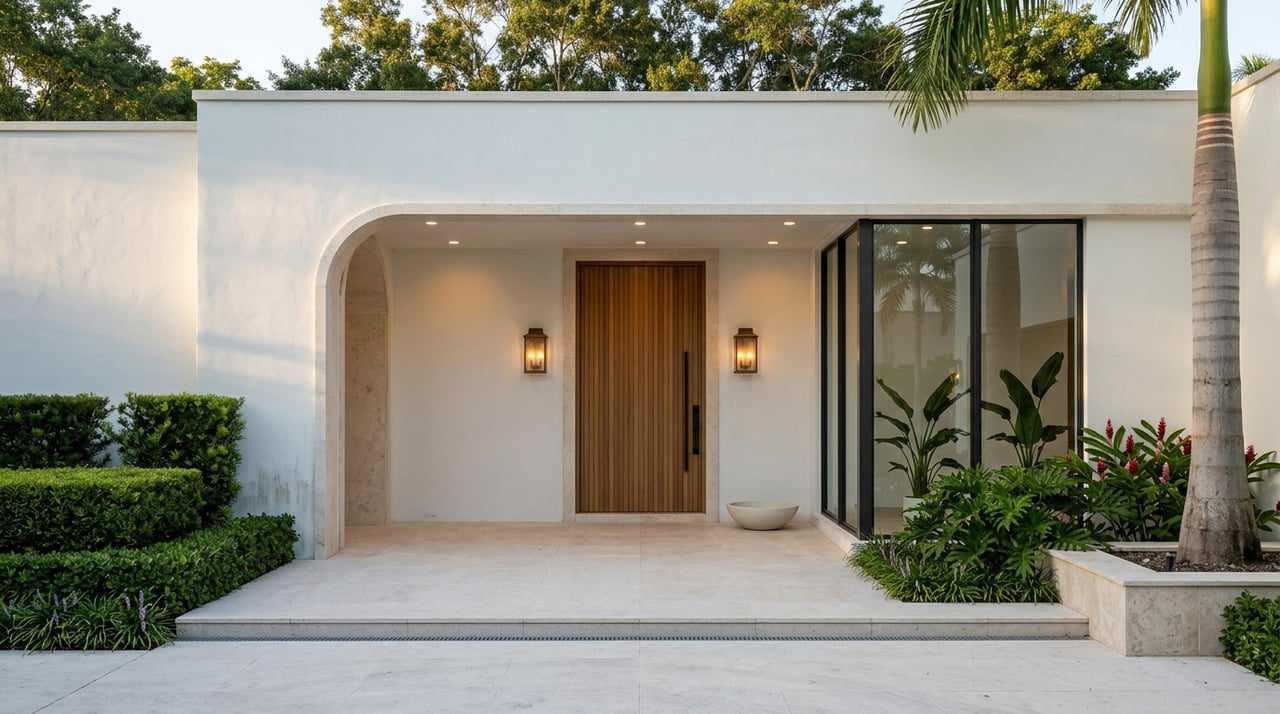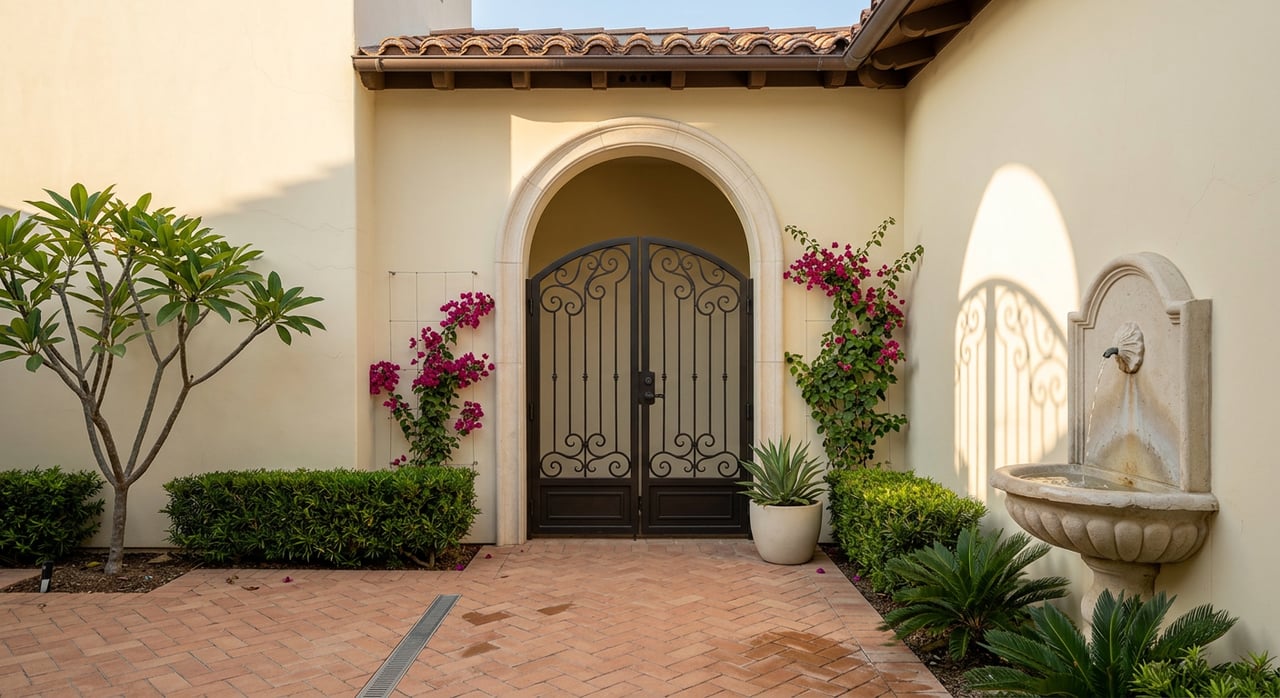
You fell in love with Coral Gables for its arches, clay tiles and shaded courtyards. Preserving that charm takes a different kind of estate care, especially in a coastal climate with heat, humidity and seasonal storms. In this guide, you’ll learn how signature Mediterranean details affect maintenance, risk and vendor selection, so you can protect both beauty and value. Let’s dive in.
Why design shapes maintenance in Coral Gables
Coral Gables was envisioned as a Mediterranean city of stucco walls, terracotta roofs and lush gardens. That design legacy is part of the area’s identity and a key reason you want to preserve original materials and craftsmanship. The city also plans for sea level rise and tidal flooding, which makes drainage and moisture management essential for courtyards and low-lying gardens. You can see the city’s resilience focus in its sea-level impact resources.
- Heritage and aesthetics matter. The neighborhood’s Mediterranean and Spanish Revival look is a defining feature of the community’s appeal. You can read more about the city’s architectural character in this overview of Coral Gables.
- Climate drives risk. Heat, humidity and wind-driven rain accelerate wear on stucco, tile roofs and metalwork. The city’s guidance on sea-level impacts highlights why grading, drainage and water management deserve attention in your plan.
Overview of Coral Gables | City sea-level impact page
Stucco walls: control cracks and moisture
Stucco is the face of a Coral Gables home, so small failures show fast. Hairline cracks, staining, and delamination over wet areas are common where sprinklers hit walls or where grade slopes toward the house. Poorly sealed penetrations at windows and flashings also let water in.
- What to watch: Annual wall walks to spot cracks, blistering or algae; staining near hose bibs, planters or splash zones; and any recurring interior dampness.
- Preventive care: Patch minor cracks with compatible materials, keep vegetation off walls, confirm drip edges and flashings are clear, and test suspect areas with moisture tools before large removals. For historic finishes, follow preservation guidance to match original composition and texture.
- Who to hire: A plastering or stucco contractor with documented historic stucco experience, plus proper Florida licensure. Verify licenses and history through the state portal before you sign.
- Cadence: Visual inspection every 12 months, or after prolonged storms. Investigate immediately when staining persists.
Helpful references: Preservation Brief 22 on historic stucco | License verification
Clay tile roofs: protect underlayment and attachments
Clay tile is authentic to the architecture and can last decades, but only if the underlayment and attachments are right for a High-Velocity Hurricane Zone. In Miami-Dade, many systems rely on Product Control Notices of Acceptance that spell out exact attachment methods and underlayment assemblies.
- What to watch: Broken or displaced tiles after storms, aging underlayment that leaks even when tiles look intact, and failing ridge or penetration flashings.
- Preventive care: Book professional inspections at least annually and after major weather. Replace cracked tiles promptly, clear valleys and gutters, and confirm any repairs follow an approved NOA for attachments and adhesives.
- Who to hire: A licensed roofing contractor experienced with clay tile and HVHZ requirements. Ask for recent Miami-Dade NOA-referenced jobs and confirm they will pull permits.
- Cadence: Twice a year in spring and fall, plus post-storm checks.
Helpful references: NPS guidance on clay tile roofs | Sample Miami-Dade NOA
Courtyards and fountains: design for drainage
Inward-facing courtyards and tiled water features define many Gables estates. Without planned drainage and regular service, they can trap water, stain lower stucco and create mosquito issues.
- What to watch: Slow-draining pavers, soil or mulch built up against walls, pump failures and algae in basins.
- Preventive care: Maintain a 6 to 12 inch clearance between soil and stucco, service pumps and filters seasonally, and keep water treatments on schedule. Confirm hardscape slopes away from the house to protect walls.
- Who to hire: Licensed pump or electrical contractors for system work, licensed pest control for mosquito mitigation when needed, and conservation-minded tile and masonry specialists for historic surfaces.
Useful backdrop: City sea-level impact page
Ironwork and gates: fight coastal corrosion
Salt air accelerates rust on decorative iron and steel. Railings, balconies and gates often show the first signs of deferred maintenance, like bubbling paint and pitting.
- What to watch: Rust bleed, coating failures at welds or corners, and hardware corrosion.
- Preventive care: Rinse with fresh water after storms or quarterly in high-exposure areas, and touch up coatings as soon as they are breached. For new or restored work in exposed locations, consider hot-dip galvanizing with a baked powder coat as a duplex system, or marine-grade stainless where appropriate.
- Who to hire: Metal fabricators who can document coastal finish systems and surface prep standards, and supply a written maintenance schedule.
Learn more: Coastal corrosion basics | Duplex coating systems
Gardens and hardscape: manage roots and irrigation
Mature tropical trees frame Mediterranean architecture, but roots can lift pavers and affect utilities. Over-watering near walls also drives staining and moisture problems in stucco.
- What to watch: Uplifted walkways or driveways, soggy beds near the house, and overspray hitting walls and ironwork.
- Preventive care: Retain an ISA-certified arborist for a tree inventory and phased pruning plan. Audit irrigation zones yearly, and keep high-demand turf away from vulnerable walls and courtyards.
- Who to hire: ISA-certified arborists for tree work, irrigation contractors trained in Florida BMPs, and insured landscape firms with references in coastal settings.
Approvals, permits and the right vendors
Work on historic properties or in designated districts often requires a Certificate of Appropriateness from the city’s Historic Preservation division. Plan lead time for board calendars and submittals such as material samples and historic drawings. Roof work in Miami-Dade typically requires NOA-approved products and HVHZ-compliant attachments in the permit package.
- Historic oversight: Review the city’s preservation process and allow extra weeks for approvals. Noncompliance can trigger stop-work orders and rework.
- Licensing: Verify every contractor’s state license and disciplinary history before contracting. Roofing, stucco, pest control and other specialties have specific licensure categories.
- Contracts: Require clear scope language that protects historic fabric, copies of any NOAs for roofing materials, and confirmation that the contractor will pull the correct permits under their legal business name.
References: Coral Gables Historic Preservation | Florida license verification
Estate maintenance cadence: your annual checklist
Use this high-level cadence to stay ahead of issues and protect value.
- Clay tile roof: Inspect twice per year and after storms. Clear debris, check flashings and replace broken tiles. Plan underlayment replacement at the first sign of persistent leaks and confirm NOA-compliant assemblies for any major work.
- Stucco walls: Walk the exterior once a year to catch cracks, stains or blistering. Test damp areas and perform targeted, compatible repairs. Schedule a deeper assessment every 3 to 5 years for heritage walls.
- Ironwork: Rinse and inspect quarterly in salt-exposed zones. Touch up coatings as needed and plan for a full refresh of coatings every 5 to 10 years based on exposure and system used.
- Courtyards and water features: Check monthly in warm months for pump strain, algae and standing water. Verify drainage slopes and wall clearances.
- Trees and landscape: Book an arborist inspection annually. Time major pruning outside sensitive seasons when feasible, and complete an irrigation audit each year or after significant site work.
Project sequencing and budgeting without surprises
The best results come from coordinated trade work and clear scopes. For example, schedule stucco repairs around roofing and termite inspections to avoid repeated penetrations in the same areas. Build contingency into budgets for hidden conditions like substrate moisture or root damage that often surface once work begins. Allow realistic lead time for historic reviews and permits so contractor crews and material deliveries align with approvals.
How a white-glove manager protects your Gables home
If you split time between homes or prefer a single point of accountability, a boutique estate manager adds discipline and hospitality to your plan. Weekly photo inspections, vendor supervision and hurricane readiness help you move from reactive to preventative care. Pre-arrival provisioning and housekeeping coordination mean you walk into a guest-ready home every time. Around-the-clock response closes the loop when weather or urgent repairs demand fast action.
If you want founder-level attention paired with vetted vendor oversight tailored to Coral Gables architecture, connect with the team at Luxury Residential Management LLC for a private consultation.
FAQs
What makes Coral Gables home maintenance different?
- The Mediterranean look relies on stucco, clay tile and ironwork that require moisture control, hurricane-ready attachments and coastal corrosion protection tailored to Miami-Dade rules and the city’s preservation context.
How often should I inspect a clay tile roof in Coral Gables?
- Book professional roof inspections twice per year and after major storms, and confirm any repairs use Miami-Dade NOA-approved materials and HVHZ attachment details.
Which contractor credentials should I verify in Florida?
- Confirm active state licensure for the trade through the MyFloridaLicense portal, ask for insurance and references, and for roofing confirm experience with Miami-Dade NOAs and local permitting.
Do historic homes in Coral Gables need special approvals?
- Exterior work on locally designated historic properties or in districts typically requires a Certificate of Appropriateness from the city’s Historic Preservation division, so plan for added review time.
How do I prevent rust on iron gates and railings near the coast?
- Rinse salt regularly, touch up coatings at the first breach and consider a duplex system like hot-dip galvanizing plus powder coat or marine-grade stainless for new or restored installations.